
Understanding the new generation of weight-loss medicines in simple language
If you have been scrolling through Instagram, YouTube or even talking to friends about weight loss, chances are you have heard these names:
Ozempic. Wegovy. Mounjaro. Zepbound. GLP-1.
Some people say these medicines are the biggest breakthrough in weight loss. Others say they are dangerous.
And then there are people who simply want to know: “What exactly are these injections doing inside my body?”
That is a very good question.
Because when it comes to weight loss, we often hear extreme opinions. One person says, “Take this injection and you will lose weight.” Another says, “Never touch these medicines.”
The truth is more complicated, and much more interesting.
GLP-1-based medicines can be powerful tools for treating obesity and related health problems. But they are still medicines. They have benefits, possible side effects, specific indications and limitations. They are not magic injections, and they are certainly not something everyone should start just because they want to lose a few kilograms. So let’s forget the complicated medical language for a moment and understand what is actually happening
First, what does GLP-1 mean?
GLP-1 stands for glucagon-like peptide-1.
You don’t really need to remember the full name.
Think of GLP-1 as one of the natural signals your body uses after you eat.
When food enters your body, several hormones and signals help your brain and digestive system understand what is happening. GLP-1 is one of these signals. It is involved in appetite, blood-sugar regulation and digestion.
One simple way to imagine it is this: You have eaten your meal. Your body starts sending signals that say: “We have food. We are getting full.”
GLP-1 is part of that conversation.
Modern medicines such as semaglutide are designed to act on the GLP-1 pathway. Tirzepatide acts on both the GLP-1 and GIP pathways.
And this is one reason these medicines can have such a strong effect on appetite and body weight.
Why do these medicines help people lose weight?

Imagine that you normally eat two rotis, sabzi, dal and curd and feel comfortably full.
Now imagine that after starting a GLP-1-based medicine, you feel satisfied with a smaller amount of food.
You may not feel as interested in the second roti. You may not want dessert. You may feel full sooner.
For some people, the constant background feeling of hunger becomes quieter.
This is important because weight loss is not simply a question of “Willpower.” Hunger and appetite are influenced by biology, hormones, the brain, sleep, stress, environment and many other factors.
GLP-1-based medicines can influence some of these biological signals, making it easier for certain people to reduce their food intake. That is one of the main reasons they can produce significant weight loss.
So, what exactly is Ozempic?
Ozempic contains semaglutide, a GLP-1 receptor agonist.
It is primarily used in the treatment of type 2 diabetes.
But you may also have heard the name Wegovy, which contains the same active ingredient, semaglutide, but is specifically used for weight management at the appropriate dose and indication.
This is why people sometimes use the names Ozempic and Wegovy as if they are exactly the same thing.
They contain the same active ingredient, but the product, dose, approved use and prescribing context matter.
So please don’t assume: “My friend is taking Ozempic, so I can take the same thing.”
Medicines should never be shared or copied from another person’s prescription.
And what is Mounjaro?
Mounjaro contains tirzepatide.
This medicine is slightly different from semaglutide because it acts on two hormone pathways: GIP and GLP-1.
In very simple terms:
Semaglutide → GLP-1 pathway
Tirzepatide → GIP + GLP-1 pathways
Both can influence appetite, food intake and blood-sugar regulation.
And yes, both have been shown in clinical trials to produce substantial weight loss in appropriate patients.
In a 2025 head-to-head clinical trial involving adults with obesity but without type 2 diabetes, participants receiving tirzepatide lost an average of about 20.2% of their starting body weight, compared with about 13.7% with semaglutide after 72 weeks. Tirzepatide also produced a greater average reduction in waist circumference in that study.
That is a significant difference.
But remember something important: A clinical trial result is an average. It does not mean every person will lose 20% of their body weight.
Your result can be very different from someone else’s.
So are these medicines actually effective?
Yes.
This is where we need to be honest.
There is now strong evidence that medicines such as semaglutide and tirzepatide can produce meaningful weight loss in people who meet appropriate criteria for treatment.
The original SURMOUNT-1 trial of tirzepatide included more than 2,500 adults with obesity or overweight plus a weight-related health problem, without diabetes. After 72 weeks, average weight loss was substantial across the tirzepatide doses studied.
Semaglutide has also produced substantial weight loss in large clinical trials.
So saying, “These injections don’t work,” would simply be wrong.
They can work. But now comes the more important question.
Are they safe?
This is where the conversation becomes more nuanced.
Every medicine has potential benefits and potential risks.
GLP-1-based medicines can cause side effects, particularly involving the digestive system.
Some people experience nausea, vomiting, diarrhoea, constipation, abdominal discomfort or a feeling of being excessively full.
In clinical trials of tirzepatide and semaglutide, gastrointestinal symptoms were among the most commonly reported side effects, and many occurred during the period when the dose was being increased.
For many people, these symptoms may be manageable.
But that does not mean everyone will have the same experience.
And some adverse effects can be more serious.
That is why these are medical treatments, not beauty products.
If you are considering one, the right person to discuss it with is a qualified doctor who can look at your complete medical history.
What about the famous “I don’t feel hungry anymore” effect?

This is actually one of the reasons these medicines can be so powerful.
Some people describe a dramatic reduction in food cravings or hunger after starting treatment.
Imagine someone who has spent years thinking about food all the time.
Breakfast. Then snacks. Then lunch. Then something sweet after lunch. Then evening snacks. Then dinner. Then dessert.
Suddenly, the background noise around food becomes much quieter.
For that person, eating less may become much easier.
This is one reason we should be careful about saying: “People who struggle with weight simply need more discipline.”
Biology matters.
But there is another side to this.
If your appetite becomes very low, you still need to make sure you are getting adequate nutrition.
Eating less does not automatically mean eating well.
And this brings us to muscle.
This is a conversation I really want more people to have.
When you lose weight, the weight that disappears from the scale is not necessarily all body fat.
Your body can lose a combination of fat mass and lean mass during weight loss.
That means someone can say: “I lost 10 kilograms!”
But we should also ask: “How much of that was fat?” “How much lean mass did you lose?” “Are you getting stronger?” “Are you eating enough protein?” “Are you doing resistance training?”
This is one reason weight loss should not be judged only by the weighing scale.
The goal should not simply be to make your body lighter.
The goal should be to improve your health and, wherever possible, preserve the muscle and physical function that you need. That is particularly important for anyone undergoing substantial weight loss, whether the weight loss comes through medication, diet, surgery or a combination of approaches.
Does taking a GLP-1 medicine mean I don’t need exercise?

Absolutely not.
And this is where I think the conversation around weight-loss injections sometimes goes wrong.
A medicine can influence appetite. It does not magically make your muscles stronger. It does not automatically improve your fitness. It does not teach you how to cook nutritious food. It does not build your exercise habits. And it does not teach you how to maintain your health for the rest of your life.
That is why lifestyle still matters.
Strength training, walking, cardiovascular exercise, adequate protein, good nutrition, sleep and sustainable habits can remain important parts of a comprehensive weight-management plan.
In other words: The injection may be one tool in the toolbox.
It is not the entire toolbox.
What happens if you stop taking it?
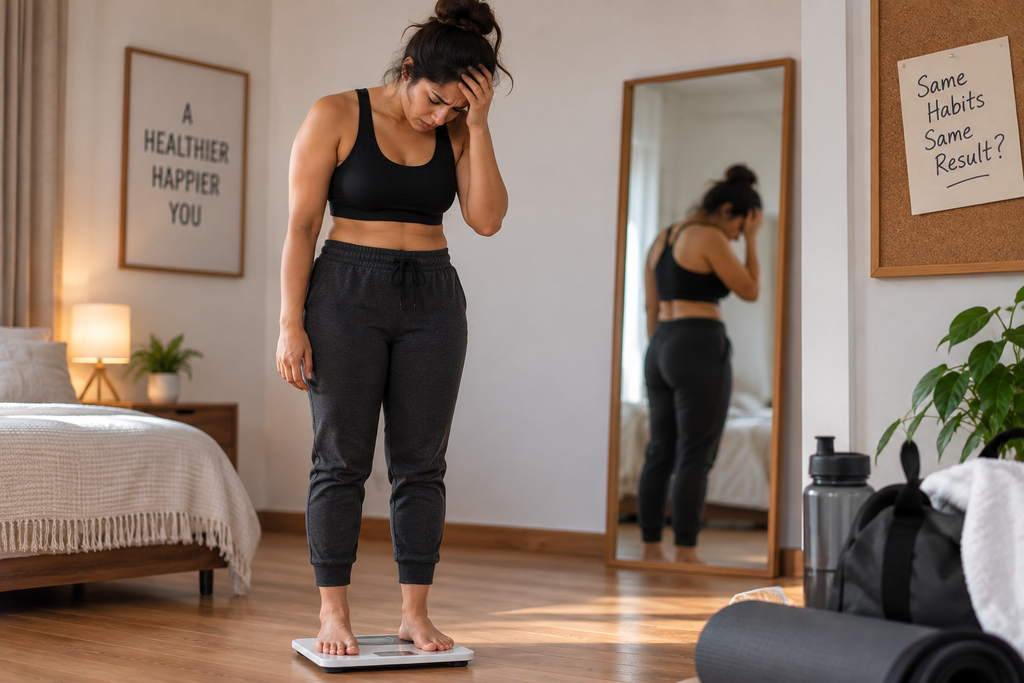
This is probably one of the most important questions to ask before starting treatment.
What happens after you stop can vary between people, but research shows that weight regain can occur after discontinuation of treatment.
In the STEP 1 extension study, people who stopped semaglutide after the treatment period regained a substantial amount of the weight they had previously lost during the following year.
This tells us something important: Weight management does not end simply because you reached your target weight.
The biological tendency toward weight regain can remain.
That is one reason obesity is increasingly treated as a chronic health condition rather than simply a temporary problem of willpower.
Some people may need long-term treatment. Some may eventually manage their weight successfully without medication.
The correct plan depends on the individual. And stopping a prescription medicine should be discussed with the treating doctor, not decided because someone on social media told you to stop.
Does everyone who wants to lose weight need an injection?
No. Not at all.
And this is extremely important.
If someone wants to lose three or four kilograms for a holiday, a wedding or a particular outfit, that does not automatically mean they need a prescription weight-loss medicine.
Medical treatment is generally considered when the potential health benefits justify the treatment.
The 2025 Indian clinical practice guideline update recommends considering pharmacotherapy for certain people with higher BMI, particularly when obesity-related health conditions are also present. It also recommends using medication alongside health-behaviour changes rather than treating medication as a replacement for lifestyle intervention. So the decision should be based on health, not hype.
What about people who call these “cheating”?
I don’t think that is a helpful way to look at it.
If a person has obesity and a doctor decides that medication is appropriate, taking that medicine is not “cheating.”
We don’t call someone weak because they take medicine for high blood pressure. We don’t call someone lazy because they take medicine for diabetes.
Similarly, we shouldn’t automatically shame someone for receiving medically appropriate treatment for obesity.
At the same time, taking a medicine simply because it is trending online is not sensible either.
Both extremes are unnecessary.
But what about natural weight loss?
Lifestyle-based weight management remains extremely important.
Eating a balanced diet. Getting enough protein and fibre. Moving your body. Building muscle. Sleeping well. Managing stress. Creating sustainable routines. Learning how much food your body actually needs.
These things matter whether you use medication or not.
And there is no need to turn this into a battle between “Natural people” and “medicine people.”
Healthcare is not a competition.
Sometimes lifestyle changes are enough. Sometimes medication is useful. Sometimes both are needed.
The right answer depends on the person.
So, are Ozempic, Wegovy and Mounjaro good or bad?
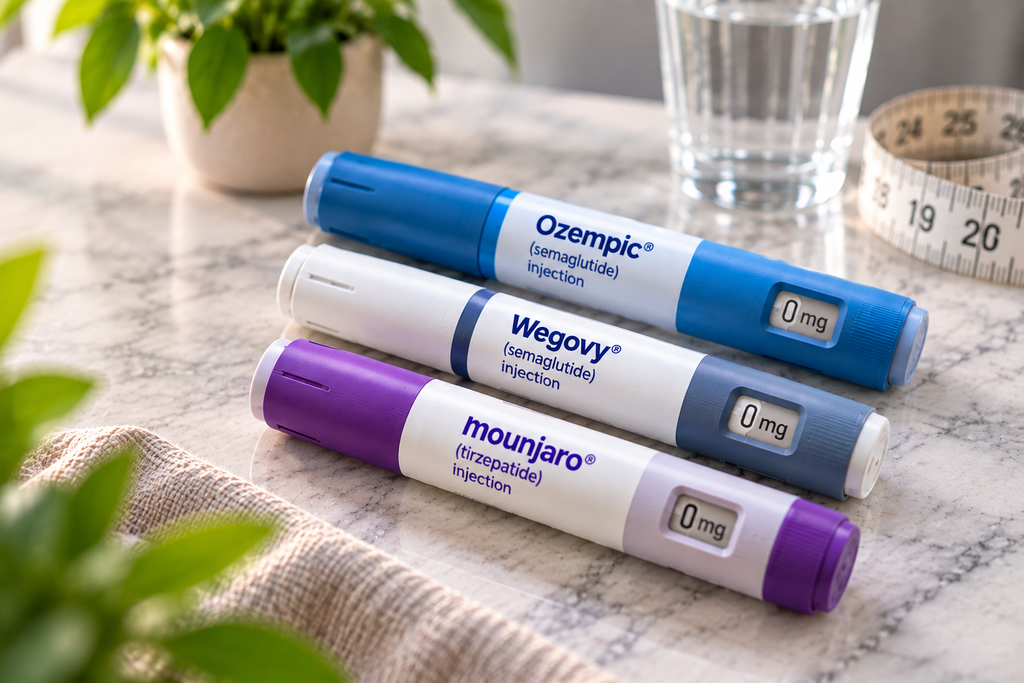
Here is the simplest answer I can give you:
They are medicines.
And medicines are tools.
A tool can be extremely useful when used correctly and completely inappropriate when used incorrectly.
GLP-1-based medicines have strong evidence behind them for weight management in appropriate patients. They can produce significant weight loss and, in certain populations, improve important health outcomes.
But they also have side effects, require medical supervision and should not be treated as a shortcut to a particular body shape.
Most importantly, your health journey should not end with a smaller number on the weighing scale.
You want to be stronger. You want to move better. You want to nourish your body. You want better habits. You want better health.
And you want to be able to maintain your progress.
The Sweaty Soldier Perspective
At Sweaty Soldier, we don’t believe that your body is your enemy.
We also don’t believe there is one single method of weight loss that works for every person.
Some people may benefit from medical treatment. Some may not. Some may need medication alongside lifestyle changes. And some may achieve their goals primarily through nutrition, exercise, behaviour change and consistency.
What matters is understanding your body instead of fighting it.
If you are using a medically prescribed weight-loss medicine, don’t think: “Now I don’t have to do anything.”
Think: “I have another tool that may help me. Now how do I use this opportunity to build a healthier lifestyle?”
Because the ultimate goal should not be dependency on a weighing scale, a calorie counter or an injection. The goal is to become healthier, stronger and more confident in your own body.
One Last Thing Before You Consider a Weight-Loss Injection
If you are thinking about taking Ozempic, Wegovy, Mounjaro, Zepbound or another weight-loss medicine, please don’t make the decision based on an Instagram reel.
Don’t borrow somebody else’s injection. Don’t copy somebody else’s dose. Don’t buy medicines from an unknown seller. And don’t stop a prescribed medicine without speaking to your doctor.
Instead, sit down with a qualified healthcare professional and ask:
“Is this medicine actually appropriate for me?”
“What are the benefits and risks in my case?”
“What side effects should I watch for?”
“How will we protect my nutrition and muscle?”
“What happens if I eventually stop the medicine?”
These are much better questions than: “How quickly can I lose 10 kg?” Because your health is worth more than a number.
The Bottom Line
GLP-1 medicines have changed the world of weight management.
They are not a miracle. They are not a scam. And they are not automatically dangerous.
They are powerful medical tools that can be very helpful for the right person when used appropriately.
But weight loss is still bigger than medicine.
It is about your food. Your movement. Your muscles. Your sleep. Your habits. Your mental health. Your relationship with your body.
So don’t ask only: “How much weight can I lose?”
Ask: “How healthy can I become?”
That is the transformation that truly matters.
Research Corner: Want to Go Deeper?
Tirzepatide vs Semaglutide , 2025
A large head-to-head trial published in the New England Journal of Medicine compared tirzepatide and semaglutide in adults with obesity without type 2 diabetes. Tirzepatide produced greater average weight and waist-circumference reductions over 72 weeks.
Read the full NEJM study: https://www.nejm.org/doi/10.1056/NEJMoa2416394
Tirzepatide for Obesity , SURMOUNT-1
This landmark randomized clinical trial studied more than 2,500 adults and demonstrated substantial weight loss with tirzepatide.
Read the full NEJM study: https://www.nejm.org/doi/full/10.1056/NEJMoa2206038
Semaglutide and Cardiovascular Health , SELECT
The SELECT trial studied adults with overweight or obesity and established cardiovascular disease who did not have diabetes. Semaglutide reduced the risk of major cardiovascular events compared with placebo in this specific population.
Read the full NEJM study: https://www.nejm.org/doi/10.1056/NEJMoa2307563
Obesity Management in India , 2025 Guidelines
The 2025 Indian clinical practice guideline update discusses when pharmacotherapy can be considered and emphasises combining medication with health-behaviour changes. Read the Indian guideline: https://pmc.ncbi.nlm.nih.gov/articles/PMC12410957/
Medical Disclaimer
This article is intended for general education and awareness. It is not a diagnosis, prescription or substitute for individual medical advice. Weight-loss medicines should be considered only with appropriate medical evaluation and supervision. Do not start, stop or change a prescription medicine based solely on this article.